
Mobility is one of the most important parts of daily life. It means how easily you can move your body—walking, bending, stretching, climbing stairs, or even getting out of bed. When mobility is reduced, even simple tasks can feel difficult. This is where mobility improvement physiotherapy services play a powerful role.
- What Is Mobility Improvement Physiotherapy?
- Why Mobility Is So Important
- Common Reasons People Need Mobility Physiotherapy
- How Mobility Improvement Physiotherapy Works
- Step 1: Initial Assessment
- Step 2: Goal Setting
- Step 3: Treatment Plan
- Step 4: Regular Sessions
- Step 5: Home Exercises
- Techniques Used in Mobility Physiotherapy
- Benefits of Mobility Improvement Physiotherapy
- 1. Better Movement
- 2. Pain Reduction
- 3. Improved Strength
- 4. Faster Recovery
- 5. Better Balance
- 6. Improved Confidence
- Who Can Benefit from These Services?
- What to Expect During a Session
- How Long Does It Take to See Results?
- Simple Tips to Improve Mobility at Home
- Conclusion
- Frequently Asked Questions (FAQs)
These services help people restore movement, reduce pain, and improve strength so they can live more independently. Whether someone is recovering from an injury, dealing with aging-related stiffness, or managing a long-term condition, physiotherapy can make a real difference.
In this article, we will explore what mobility improvement physiotherapy is, how it works, who needs it, and why it is important. Everything is explained in simple and easy language.
What Is Mobility Improvement Physiotherapy?
Mobility improvement physiotherapy is a type of treatment that focuses on helping people move better. It is provided by trained professionals called physiotherapists.
The main goal is to improve:
- Flexibility (how easily your joints move)
- Strength (muscle power)
- Balance (stability while standing or walking)
- Coordination (smooth body movements)
- Endurance (ability to stay active longer)
Physiotherapists use different techniques such as exercises, stretching, massage, and guided movement training. They also design special programs based on each person’s condition.
This is not a “one-size-fits-all” service. Every patient gets a personalized plan depending on their body needs.
Why Mobility Is So Important
Good mobility is closely connected to independence and quality of life. When you move well, you can:
- Walk without help
- Do household tasks easily
- Work comfortably
- Enjoy sports or hobbies
- Avoid falls and injuries
When mobility decreases, people may feel tired quickly or depend on others for basic tasks. It can also affect mental health, leading to stress or frustration.
Mobility improvement physiotherapy helps break this cycle by making movement easier and less painful.
Common Reasons People Need Mobility Physiotherapy
There are many situations where people need help improving mobility. Some common reasons include:
1. Injuries
Accidents, sports injuries, or falls can affect muscles, joints, or bones. Physiotherapy helps the body recover safely.
2. Aging
As people get older, joints may become stiff and muscles weaker. Physiotherapy helps older adults stay active and independent.
3. Surgery Recovery
After surgeries like knee replacement or hip surgery, physiotherapy is essential for regaining movement.
4. Neurological Conditions
Conditions like stroke, Parkinson’s disease, or multiple sclerosis can affect movement and balance.
5. Chronic Pain
Long-term pain in the back, neck, or joints can limit mobility. Physiotherapy helps reduce pain and improve movement.
How Mobility Improvement Physiotherapy Works
Physiotherapy works in a step-by-step process. It usually starts with an assessment.
Step 1: Initial Assessment
The physiotherapist checks:
- Your movement ability
- Muscle strength
- Pain levels
- Medical history
This helps them understand your condition.
Step 2: Goal Setting
You and the physiotherapist decide what you want to achieve, such as:
- Walking without pain
- Climbing stairs easily
- Returning to sports
Step 3: Treatment Plan
A custom plan is created. It may include:
- Stretching exercises
- Strength training
- Balance exercises
- Manual therapy (hands-on treatment)
- Walking practice
- Posture correction
Step 4: Regular Sessions
You attend regular sessions where progress is monitored. Exercises may change as you improve.
Step 5: Home Exercises
Patients are often given exercises to do at home to speed up recovery.
Techniques Used in Mobility Physiotherapy
Physiotherapists use several techniques to improve mobility:
Exercise Therapy
This includes simple to advanced exercises that improve muscle strength and joint movement.
Stretching
Stretching helps reduce stiffness and increase flexibility.
Manual Therapy
The therapist uses hands to move joints and reduce pain or tightness.
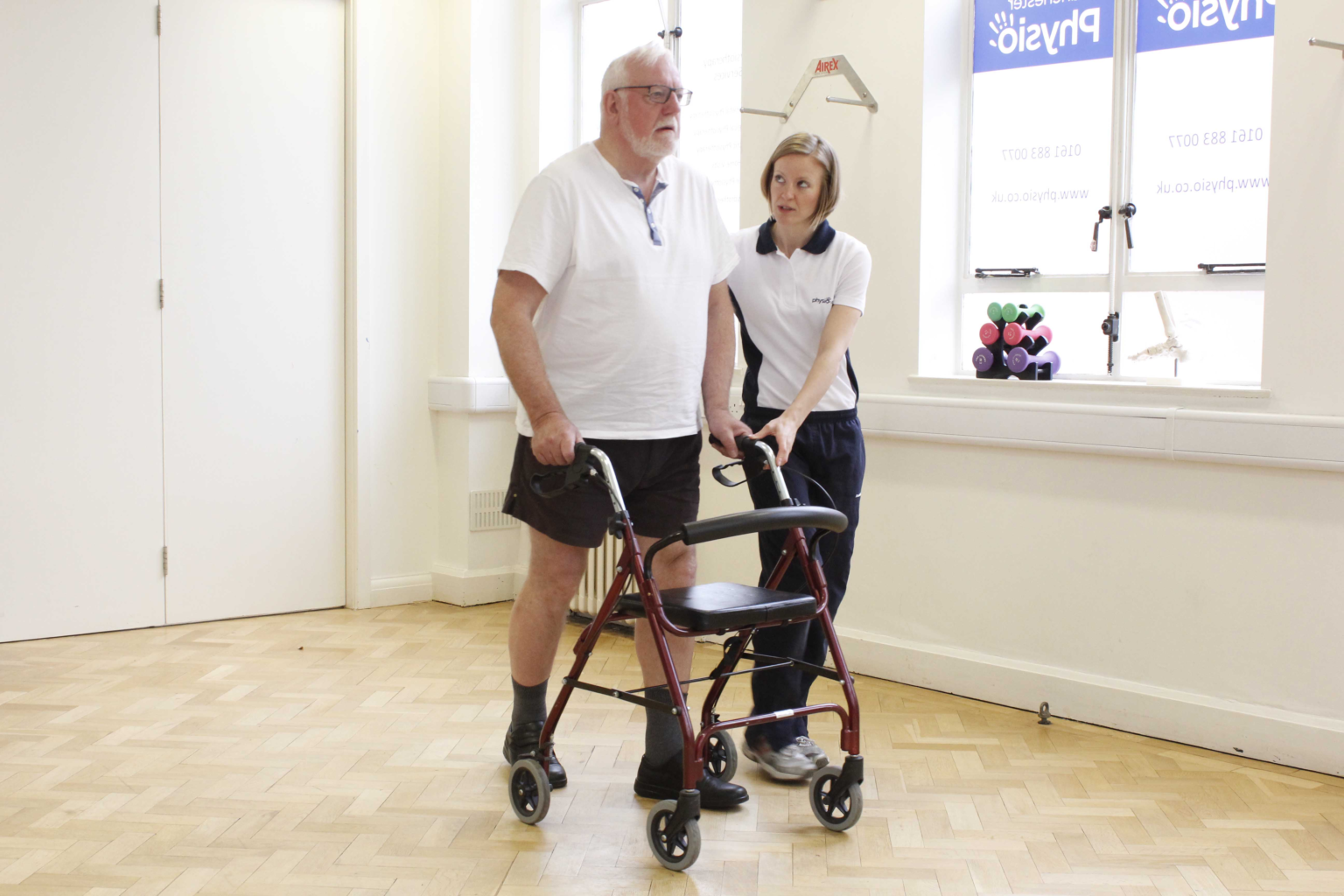
Gait Training
This helps people learn or improve walking patterns.
Balance Training
Exercises that help prevent falls and improve stability.
Heat and Cold Therapy
Used to reduce pain and inflammation.
Benefits of Mobility Improvement Physiotherapy
There are many benefits of these services:
1. Better Movement
People can move more freely without stiffness.
2. Pain Reduction
Physiotherapy helps reduce joint and muscle pain.
3. Improved Strength
Weak muscles become stronger over time.
4. Faster Recovery
Injury or surgery recovery becomes quicker.
5. Better Balance
Reduces the risk of falling, especially in older adults.
6. Improved Confidence
People feel more confident doing daily activities.
Who Can Benefit from These Services?
Mobility physiotherapy is useful for:
- Elderly people
- Athletes
- Office workers with posture problems
- Patients after surgery
- People with neurological disorders
- Anyone with stiffness or pain
Even healthy people can use physiotherapy to improve posture and prevent injuries.
What to Expect During a Session
A typical physiotherapy session is simple and comfortable.
- The therapist talks about your progress
- You do guided exercises
- The therapist may assist your movements
- You may receive manual therapy or stretching
- You get advice for home care
Sessions usually last between 30 to 60 minutes.
How Long Does It Take to See Results?
Results depend on the condition. Some people feel better in a few sessions, while others may need weeks or months.
Factors that affect recovery include:
- Age
- Type of injury or condition
- Consistency in exercises
- Overall health
The key is regular practice and following the physiotherapist’s advice.
Simple Tips to Improve Mobility at Home
Along with physiotherapy, you can also:
- Stay active daily
- Do light stretching in the morning
- Maintain good posture
- Avoid sitting for long hours
- Drink enough water
- Wear comfortable shoes
These small habits can support your recovery.
Conclusion
Mobility improvement physiotherapy services are an important part of healthcare. They help people regain movement, reduce pain, and live more independent lives. Whether you are recovering from an injury, dealing with aging changes, or managing a health condition, physiotherapy can guide you toward better movement and comfort.
The journey may take time, but with proper guidance and regular practice, improvement is always possible. Moving better means living better—and physiotherapy is one of the best ways to achieve that goal.
Frequently Asked Questions (FAQs)
1. What is mobility improvement physiotherapy?
It is a type of therapy that helps people improve movement, strength, flexibility, and balance through guided exercises and treatments.
2. Who needs mobility physiotherapy?
People with injuries, aging-related stiffness, post-surgery recovery, or movement disorders can benefit from it.
3. Is physiotherapy painful?
Most treatments are not painful. Some exercises may feel slightly uncomfortable, but they are designed to improve healing, not harm you.
4. How many sessions do I need?
It depends on your condition. Some people need a few sessions, while others may need long-term therapy.
5. Can I do physiotherapy exercises at home?
Yes, many exercises are designed for home practice, but they should be done as guided by your physiotherapist.